
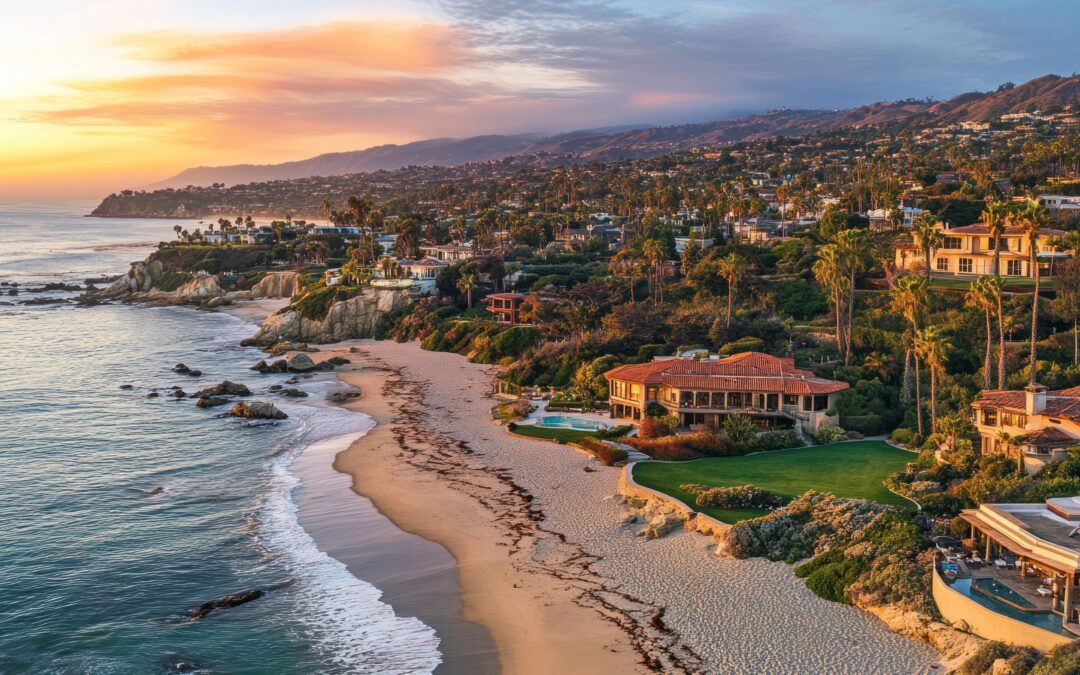
Spring and summer are peak seasons for destination events. Warmer weather, longer days, and scenic locations make these months especially appealing for corporate retreats, conferences, live performances, and special celebrations. From mountain resorts and outdoor venues to coastal cities and resort destinations, destination events offer a memorable experience, but they also introduce unique production challenges.
If you’re planning a destination event in the spring or summer, understanding how event production, audio-visual planning, and logistics change with location and season can help ensure your event runs smoothly from start to finish.
What Makes a Destination Event Different
Unlike local events, destination events require production teams to plan for unfamiliar venues, travel logistics, and varying technical standards. Every location comes with its own considerations, including power access, venue layouts, local regulations, and environmental factors.
Spring and summer events often add outdoor components, which further increase the importance of thoughtful production planning. Sound, lighting, staging, and video all need to be adapted to open spaces, natural light, and changing weather conditions.
Working with an experienced destination event production partner helps bridge the gap between vision and execution, no matter where your event takes place.
Why Spring and Summer Are Popular for Destination Events
Many organizations intentionally choose spring and summer for destination events because these seasons offer:
- More venue flexibility, including outdoor spaces and nontraditional locations
- Improved travel conditions for attendees
- Longer daylight hours, which support extended programming
- Natural backdrops that enhance event atmosphere
While these benefits can elevate the guest experience, they also require production teams to think ahead and plan carefully.
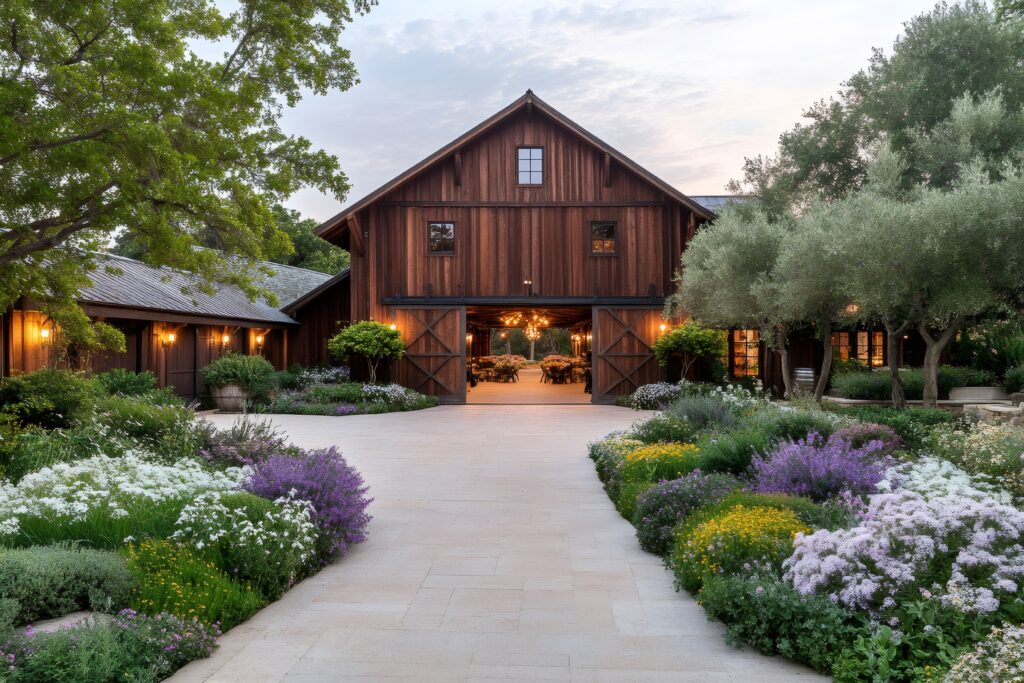
Stone pathway leading to open barn doors revealing wedding reception setup, surrounded by colorful flowers and lush landscaping
Key Considerations for Spring & Summer Event Production
1. Outdoor and Hybrid Venues
Many destination events incorporate outdoor settings such as terraces, courtyards, rooftops, or open-air stages. These environments can be visually striking, but they require specialized production planning.
Important factors include:
- Weather-resistant audio and lighting equipment
- Backup plans for wind, rain, or temperature changes
- Strategic speaker placement to manage sound dispersion
- Lighting design that accounts for natural sunlight and sunset timing
An experienced AV team will design systems that adapt to changing conditions without disrupting the event flow.
2. Power, Infrastructure, and Access
Destination venues don’t always offer the same built-in infrastructure as traditional conference centers. Power availability, load-in access, and rigging options can vary widely.
Professional event production teams evaluate these elements early in the planning process to ensure:
- Adequate power distribution for audio, lighting, and video
- Safe and efficient equipment setup
- Proper cabling and signal flow across large or outdoor spaces
This level of preparation reduces risk and helps keep timelines on track.
3. Travel Logistics for Production Teams
One of the most overlooked aspects of destination events is coordinating production travel. Transporting equipment and technicians requires careful scheduling, clear communication, and contingency planning.
Working with a traveling AV partner like Avanti Productions allows you to maintain consistency in production quality while avoiding the complexity of sourcing unfamiliar vendors at each location.
4. Sound and Acoustics in Open Environments
Spring and summer destination events often feature open or semi-open venues, which significantly affect acoustics. Sound behaves differently outdoors than in enclosed spaces, making proper system design essential.
Experienced sound engineers account for:
- Ambient noise from wind, crowds, or nearby activity
- Directional speaker placement for audience coverage
- Microphone selection and tuning to maintain clarity
Clear sound remains one of the most important factors in audience engagement, especially for corporate presentations and live performances.
5. Lighting Design for Longer Days
With extended daylight hours, lighting design must work in harmony with natural light. Instead of overpowering the environment, effective lighting enhances visibility and transitions smoothly from day to evening.
This includes:
- Subtle daytime lighting for visibility and branding
- Gradual shifts as daylight fades
- Evening lighting that supports atmosphere and stage focus
Thoughtful lighting design helps maintain visual continuity throughout the event.
Production Needs for Different Destination Event Types
Corporate Retreats and Conferences
Spring and summer are popular seasons for corporate retreats and leadership conferences. These events often combine structured programming with informal networking.
Production support typically includes:
- Presentation audio and video systems
- Breakout room setups
- Hybrid meeting capabilities
- Recording or live-streaming options
Clear communication and flexible setups are key to supporting varied agendas.
Live Music and Entertainment Events
Destination concerts and performances benefit from scenic locations, but they also require robust production planning.
Key considerations include:
- Stage design and structural safety
- Sound coverage for large or dispersed audiences
- Lighting systems that complement the natural environment
- Power management for performance equipment
A production team experienced in live music event production ensures artists and audiences have a consistent experience, regardless of location.
Galas and Special Events
Fundraisers, celebrations, and high-profile gatherings often use destination settings to create a sense of occasion.
AV production for these events may involve:
- Ambient lighting and visual design
- Background audio and announcement systems
- Video playback or live program elements
- Broadcast or recording for later use
Production should enhance the atmosphere without overpowering the setting.
Why Choosing the Right AV Partner Matters
Destination events benefit from working with a single, experienced production partner who can manage planning, execution, and troubleshooting across locations.
An established AV company brings:
- Consistent technical standards
- Familiar workflows across multiple venues
- Experienced technicians who adapt quickly
- Clear communication throughout the planning process
Avanti Productions supports destination events throughout the U.S. and internationally, combining Colorado-based expertise with the ability to travel and execute at a high level wherever events take place.
Planning Ahead for a Successful Destination Event
Destination events in the spring and summer offer unmatched opportunities to create memorable experiences. With the right planning and an experienced production partner, these events can balance atmosphere, functionality, and technical reliability.
Whether you’re hosting a corporate retreat, a live performance, or a large-scale celebration, thoughtful destination event production ensures your message reaches your audience clearly, no matter where the event takes place.
If you’re planning a spring or summer destination event, Avanti Productions provides audio-visual production, event consulting, and on-site technical support designed to help events succeed across the U.S. and internationally. Contact our team to start planning your destination event with confidence.